

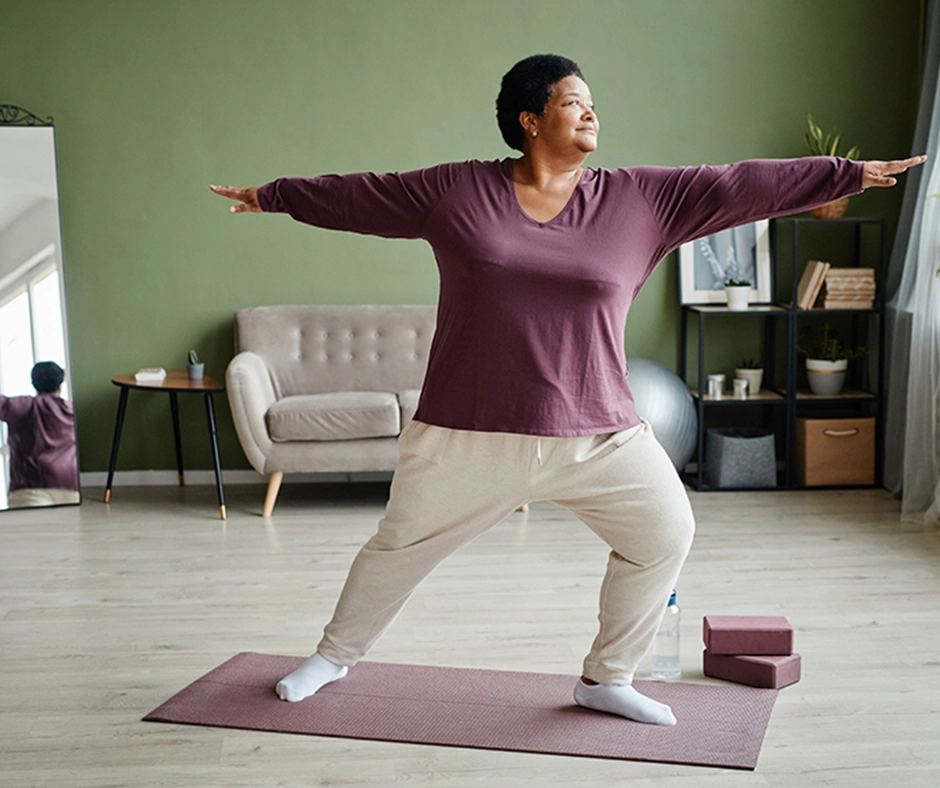
preventable—health risks for older adults.
The facts:
- About 1 in 4 adults over age 65 experiences a fall each year, and 1 in 5 of those falls
results in serious injury, such as fractures or head trauma (CDC, 2023). - Falls are the leading cause of injury-related deaths in older adults (National Council on
Aging, 2024). - Importantly, falls are not an inevitable part of aging. Research shows that exercise,
balance training, and environmental modifications can cut fall risk by up to 50%
(Sherrington et al., Br J Sports Med, 2019).
At YouTherapy Wellness & Physical Rehab in Milford, CT, our team uses evidence-based
physical therapy strategies to help older adults build strength, improve balance, and maintain
independence.
Why Lower Body Strength Matters
Muscle weakness—especially in the legs—is one of the strongest predictors of falls. With aging,
we naturally lose muscle mass (sarcopenia), but progressive resistance training has been
shown to reduce falls and fractures in older adults (Liu & Latham, Cochrane Review, 2009;
Cameron et al., Cochrane Review, 2018).
Great lower body strengthening activities include:
- Walking or brisk walking
- Aquatic exercise (joint-friendly)
- Resistance band or weight training
- Functional movements like squats, sit-to-stands, and lunges
- Stair climbing
Evidence-based tip: A Physical Therapist can design a program tailored to your needs,
ensuring safe and effective progression.
Balance Training: “Use It or Lose It”
Balance is a trainable skill. Without practice, balance naturally declines, increasing fall risk.
Evidence confirms that structured balance and functional training reduces the number of falls in
community-dwelling older adults (Gillespie et al., Cochrane Review, 2012).
Simple balance exercises (with support nearby):
- Single-leg stands (10–30 seconds)
- Heel-to-toe walking in a straight line
- Chair rises without hand support
- Standing with feet together, eyes open or closed
Always keep a sturdy surface nearby and stop if you feel unsteady.
Creating a Safer Home Environment
Since most falls occur at home, modifying your environment is one of the most effective
prevention strategies (American Family Physician, 2017).
Home safety checklist:
- Install nightlights in hallways and bathrooms
- Remove loose rugs and clutter
- Secure cords and wires out of walkways
- Add grab bars in bathrooms
- Store frequently used items at waist height
Don’t Overlook Vision & Medications
Both vision changes and medications play a critical role in fall risk:
- Regular eye exams: Poor vision significantly increases fall risk (National Eye Institute,
2021). - Medication reviews: Certain drugs—like sedatives, antihypertensives, and sleep
aids—are linked to dizziness, drowsiness, and balance problems. A pharmacist or
physician can help reduce risks (American Family Physician, 2017).
When to See a Physical Therapist
If you’ve had a fall, feel unsteady, or want to proactively lower your risk, physical therapy is one
of the most effective interventions (Cameron et al., Cochrane Review, 2018).
At YouTherapy Wellness & Physical Rehab, we:
- Assess balance, strength, and mobility
- Develop personalized exercise programs
- Teach safe movement and fall-recovery strategies
- Collaborate with your healthcare providers for complete care
The Bottom Line
Falls are common but preventable. With the right combination of strength training, balance
practice, vision care, medication safety, and home modifications, you can take control of your
health and independence.
This Fall Prevention Month, choose one step forward—whether it’s adding a new exercise,
adjusting your home environment, or booking a PT session. Your future self will thank you.
Ready to Improve Your Balance and Prevent Falls?
At YouTherapy Wellness & Physical Rehab in Milford, CT, we’re here to help you stay strong,
steady, and confident.
Call us today at 475-209-1606
Or request an appointment online at www.youtherapywellness.com
References
- Cameron ID, et al. Multifactorial interventions for preventing falls in older people living in
the community. Cochrane Database Syst Rev. 2018. - Gillespie LD, et al. Interventions for preventing falls in older people living in the
community. Cochrane Database Syst Rev. 2012. - Liu CJ, Latham NK. Progressive resistance strength training for improving physical
function in older adults. Cochrane Database Syst Rev. 2009. - Sherrington C, et al. Exercise for preventing falls in older people living in the community:
an update systematic review and meta-analysis. Br J Sports Med. 2019. - Panel on Prevention of Falls in Older Persons. American Geriatrics Society and British
Geriatrics Society Clinical Practice Guideline. J Am Geriatr Soc. 2011. - American Family Physician. Preventing Falls in Older Persons. 2017.
- Exercise for falls and fracture prevention in long term care facilities: a
systematic review and meta-analysis. J Am Med Dir Assoc.
2013;14(9):685-689.e2.a. - Preventing Falls in Older Persons. Am Fam Physician. 2017 Aug
15;96(4):240-247. PMID: 28925664.a. - The Effectiveness of Physical Therapist–Administered Group-Based
Exercise on Fall Prevention: A Systematic Review of Randomized
Controlled Trials. Journal of Geriatric Physical Therapy 36(4):p 182-193,
October/December 2013.a. - Exergame technology and interactive interventions for elderly fall
prevention: A systematic literature review. - Physical Therapy Guide to Falls
- Fall Prevention Starts with a Conversation
- Balance and Fall